
Growing Teams
Unlock Team Potential
High-performing teams aren’t accidental - they are deliberately built. At Cadence, we help teams work better together, communicate more effectively, and achieve outstanding results.
Through targeted workshops, assessments, and practical insights, we support teams to reach their full potential. Scroll down to the Case Studies to see examples of real success.
Team Development
Hands-on workshops and assessments that strengthen collaboration and performance.
Belbin Team Roles
Understanding behaviours and strengths to optimise teamwork and engagement.
Team Development
Workshops and Assessments to Strengthen Collaboration
At Cadence, we help teams work smarter together through practical workshops and insightful assessments.
Our approach clarifies roles, identifies strengths and gaps, and improves alignment, communication, and decision-making. Whether setting up new teams, refreshing existing ones, or overcoming challenges, our programmes give teams the tools and insights they need to succeed.
Contact us to discuss your needsTeam Establishment
Setting up new teams or refreshing existing teams for clarity and alignment
Focus on Performance
Workshops targeting productivity, goal alignment, and achieving results
Focus on Teamwork
Activities that improve communication, collaboration, and trust
Overcome challenges
Tools and exercises to solve conflicts, navigate change, and build resilience


Belbin Team Roles
Belbin is one of our most effective tools for understanding team dynamics. It helps teams:
- Identify complementary roles to optimise collaboration
- Harness individual strengths to improve productivity and engagement
- Resolve conflicts and strengthen team cohesion

Team and Leader Insights
Our leader-focused insights complement team development by helping leaders support their teams to perform at their best. They connect individual growth to team outcomes and provide practical, actionable strategies to tackle everyday challenges.
Clarifying Roles
Define responsibilities and accountabilities to reduce confusion and increase efficiency.
Enhancing Communication
Strengthen dialogue between team members and leaders for smoother collaboration.
Building Resilience
Equip teams to handle change, resolve conflicts, and stay focused under pressure.
Driving Performance
Support leaders in setting goals, tracking progress, and achieving results.
Case Studies
Growing Teams

Connecting Teams
Across Locations
Situation: A team spread across several locations was struggling to work together. Information wasn't flowing, trust was low, new people felt on the outside, and the manager was constantly stepping in to solve disputes to keep work on track.
___
Approach: Ahead of a face-to-face planning day, we gathered insights on the issues from each group. The workshop focused on building relationships while tackling real problems, introducing dialogue skills, and agreeing clear ways of working - including how to handle disagreements. Individual and team preferences were explored. Managers also received extra people-management support and training.
___
Result: Trust grew, hybrid meetings became more inclusive, and teams started asking questions instead of making assumptions. New staff felt part of the group, and the manager saw far fewer escalations as collaboration improved across all locations.
Clarity and Connection
Through Change
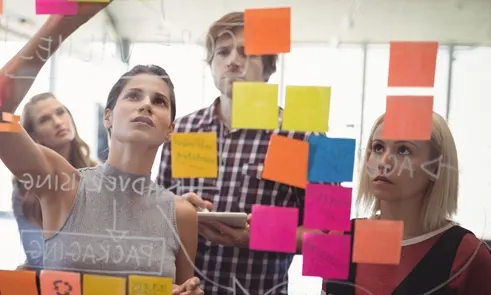
Situation: A large group of highly skilled staff recently merged into a new organisation were still finding their feet when they learned they were to be absorbed into an even larger enterprise. They were the only teams with their particular expertise, and uncertainty was causing stress, affecting confidence, collaboration, and workload.
___
Approach: We brought everyone together for two large workshops to help build connections, understand each other’s pressures, and prepare for the next transition. Mixed groups explored how to work as a unified team, identified stress points, and developed practical ways to maintain wellbeing. They also identified ways they could work effectively in the larger organisation.
___
Result: The group created a shared plan to strengthen collaboration, clarified what they needed from each other going forward, and set realistic commitments. They identified risks in the upcoming change and agreed on tactics to stay visible, aligned, and confident.
Executive Team
Rethink
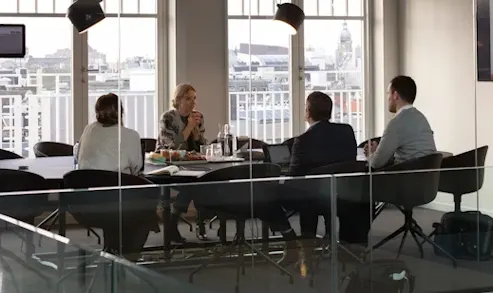
Situation: A senior leadership team reluctantly joined a development workshop that was being rolled out across the organisation. Under the surface, tensions were high and long-standing issues in how they worked together were affecting both relationships and the wider business.
___
Approach: With limited time made available, we focused on the essentials - exploring their Belbin profiles, surfacing the gaps in how they operated, and highlighting how these gaps shaped expectations and behaviour across the organisation. This led to a dedicated planning day where the team tackled the issues directly and agreed on new ways of working.
___
Result: The team acknowledged the impact of their style on each other and the organisation. They committed to addressing interpersonal strains, created processes to cover role gaps, and began working with far greater clarity and alignment.